How Customs Brokerage Reduces Costly Delays in International Shipping
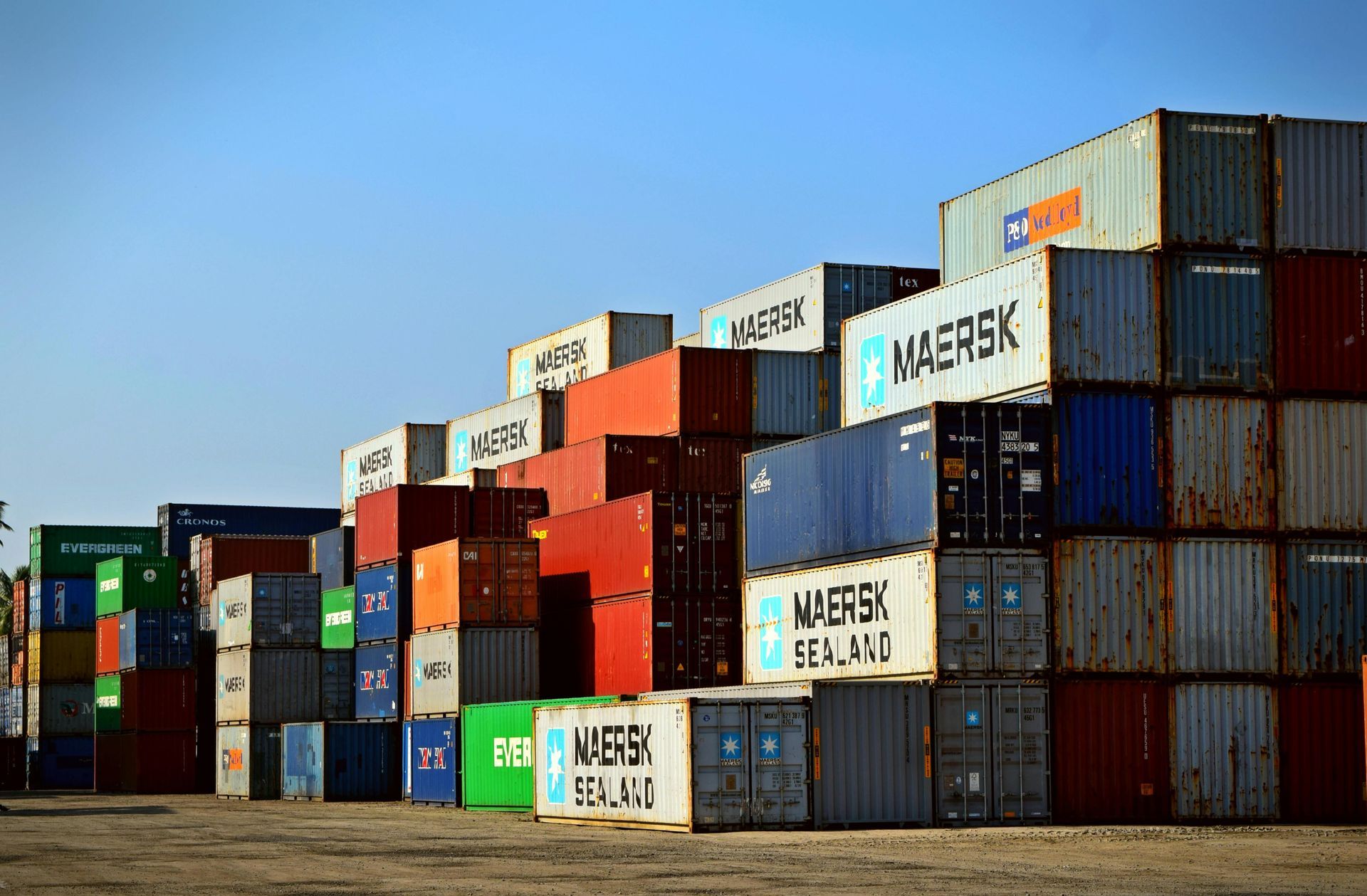
Every day, shipments get held at ports, not because of poor packing or bad weather, but because of paperwork. A missing document, a wrong tariff code, or a filing made too late can stall your cargo for days or even weeks. For businesses moving goods across borders, customs clearance is one of the most common and expensive bottlenecks in the supply chain.

A licensed customs broker removes that risk. They handle the documentation, the government filings, the duty calculations, and the compliance requirements so your freight keeps moving. For companies shipping through high-volume ports like Houston, New Orleans, or Miami, working with an experienced customs brokerage team is not a luxury. It is a core part of reliable international logistics.
This guide breaks down exactly how customs brokerage reduces delays, what the process looks like in practice, and what businesses often get wrong when navigating import and export compliance.
What Does a Customs Broker Actually Do?
A licensed customs broker acts as your authorized representative with U.S. Customs and Border Protection (CBP) and other government agencies. They prepare and submit the documentation required to legally move your goods across international borders, and they do it within tight filing windows that most importers are not equipped to meet on their own.
The work goes well beyond filling out forms. Brokers classify your goods using the Harmonized Tariff Schedule (HTS), which determines how much duty you pay. They calculate applicable duties, coordinate with Partner Government Agencies (PGAs) like the FDA, USDA, or EPA when required, and ensure your shipment clears without triggering a hold or exam.
In practical terms, this means your cargo gets released faster. A broker who knows the nuances of a specific trade lane or commodity type can anticipate issues before they happen, not after your container has already been flagged at the port.
Why Do Customs Delays Happen in the First Place?
Most customs delays share a common thread: incomplete or inaccurate information submitted at the wrong time. Understanding the root causes helps businesses see why professional brokerage is worth the investment.
Late ISF filings are one of the biggest triggers. The Importer Security Filing (ISF), also called 10+2, must be submitted at least 24 hours before a vessel departs a foreign port for the U.S. Miss that window and CBP can issue fines of up to $5,000 per violation and flag your shipment for inspection upon arrival.
Tariff misclassification is another silent cost driver. Products that sit across two HTS categories, items with materials sourced from multiple countries, or goods that have been partially assembled can all be assigned the wrong code. That triggers either underpayment of duties, which creates a compliance liability, or overpayment, which quietly eats into your margins.
Missing PGA documentation creates a different kind of hold. If your product requires FDA prior notice, a USDA phytosanitary certificate, or EPA import certification, that documentation must arrive before or with the shipment. A delay in any one of those filings puts the entire container on hold, regardless of how clean the commercial paperwork is.
Shipments moving through Houston face these risks at scale. The Port of Houston is one of the busiest in the country for project cargo, chemicals, and energy equipment, meaning CBP scrutiny is high and timelines are tight.
How the Right Broker Prevents Delays Before Cargo Moves
The most effective customs brokerage work happens before the shipment ever leaves the origin. This is a point many businesses miss. They treat customs as a destination task when it should be a departure-stage priority.
A proactive broker will review your commercial invoice and packing list for accuracy before the booking is confirmed. They will verify that your HTS classification aligns with current tariff schedules, including any trade remedy tariffs that may apply under Section 301 or antidumping orders. They will confirm whether any PGA requirements apply to your commodity and get the right documentation in motion early.
For project logistics involving oversized equipment, industrial modules, or energy components, this upfront customs planning is especially important. These shipments often involve temporary importation bonds (TIBs), in-transit bonds, or Free Trade Zone entries that require specific filings and timelines. Getting those structures wrong can delay an entire construction schedule.
Remote Location Filing (RLF) is another tool experienced brokers use strategically. It allows entry to be filed at an interior CBP port rather than the port of arrival, which can reduce dwell time significantly for shipments with complex PGA requirements.
The Hidden Cost of DIY Customs Compliance
Some companies try to handle customs in-house, particularly smaller importers who want to reduce overhead. This approach can work for simple, low-volume commodity imports on established trade lanes. But it becomes a liability quickly when shipments grow in frequency, value, or complexity.
The most common in-house mistake is treating customs as a reactive task. Teams submit documentation after the shipment arrives at port rather than building the filing timeline into the logistics plan from day one. That gap between vessel arrival and entry acceptance is where demurrage and detention charges accumulate, often running several hundred dollars per container per day.
There is also the compliance exposure. CBP conducts audits, and companies found to have systematic misclassification or valuation errors face penalties, liquidated damages, and in serious cases, loss of import privileges. A licensed broker carries legal accountability for the entries they file and keeps your compliance record clean.
For businesses in industries like oil and gas, chemicals, or marine, where shipments may involve hazardous materials, dual-use goods, or equipment under export control regulations, the stakes of getting it wrong are significantly higher.
What to Look for in a Customs Brokerage Partner
Not all customs brokers offer the same depth of service. The difference between a transactional filing service and a true brokerage partner shows up when things get complicated.
Look for a broker with licensed staff, not just a licensed company. CBP requires individual brokers to pass a rigorous examination and maintain continuing education. A firm where the licensed brokers are actively working your entries, not just signing off on work done by unlicensed staff, gives you meaningfully better accuracy.
Experience with your commodity type matters. A broker who regularly handles petrochemical equipment, hazardous cargo, or oversized industrial components understands the PGA touchpoints, the documentation requirements, and the inspection risk profiles that a generalist may not.

Integration with your freight forwarder is the third factor. When your customs clearance service is managed by the same team handling your ocean freight or air freight, communication gaps disappear. The broker already has the commercial documentation, the packing list, and the routing details. There is no back-and-forth, no re-keying of data, and no lag between freight status and customs status.

That single-source model is what separates fast, predictable clearance from the kind of delays that leave containers sitting on a Houston terminal while someone tracks down a missing certificate.
How Technology Improves Customs Visibility
Modern customs brokerage is not just about knowing the regulations. It is about processing information faster and more accurately than manual systems allow.
Electronic filing through the Automated Broker Interface (ABI) and ACE (Automated Commercial Environment) allows entries to be submitted, reviewed, and released in hours rather than days. Automated tariff classification tools reduce human error on complex commodity descriptions. And real-time electronic communication with CBP means that requests for information or additional documentation can be addressed the same day rather than waiting for a paper response.
For importers, this translates directly into supply chain visibility. When your broker's system is connected to your tracking platform, you can see where your shipment stands in the clearance process without making phone calls. That kind of transparency matters when you are coordinating a just-in-time delivery to a job site in Houston or a warehouse in Miami.
Frequently Asked Questions
What is the difference between a freight forwarder and a customs broker?
A freight forwarder arranges the physical movement of cargo, including booking carriers, managing documentation, and coordinating pickup and delivery. A customs broker handles the regulatory side: classifying goods, filing entries with CBP, calculating duties, and coordinating with government agencies. Many logistics companies offer both services together, which simplifies the process and reduces the chance of miscommunication between teams.
How far in advance should customs documentation be prepared?
For ocean freight, the ISF must be filed at least 24 hours before departure from the foreign port. Entry documentation should be ready to file as soon as the vessel departs so that customs release can be obtained before the ship arrives. For air freight, the timeline is shorter, often 4 hours before departure, but the same principle applies: earlier is always better.
What happens if my shipment is selected for a CBP exam?
A CBP examination can add anywhere from one to several days to your delivery timeline depending on the type of exam. A document exam is faster, usually resolved within a day. A physical or intensive exam requires the container to be moved to an exam site and opened, which takes longer and may involve additional fees. An experienced customs broker can often anticipate exam risk based on commodity type, country of origin, and importer history, and take steps to minimize it.
Can a customs broker help with export compliance, not just imports?
Yes. Licensed customs brokers can assist with export documentation, Electronic Export Information (EEI) filings through AES, export licenses for controlled goods, and ATA Carnet processing for temporary exports. Companies sending equipment overseas for installation, demonstrations, or repairs frequently need this support to avoid double-taxation or re-import complications.
What is a customs bond and do I need one?
A customs bond is a financial guarantee required by CBP for most commercial imports. It ensures that duties, taxes, and penalties will be paid if the importer fails to meet their obligations. For companies importing regularly, a continuous bond is more cost-effective than a single-entry bond. Your customs broker can advise on the right bond type and handle the application process.
Conclusion
Customs delays are expensive, but most of them are preventable. The difference comes down to preparation, accuracy, and the experience of the team managing your clearance. When your broker is working ahead of the shipment, not behind it, your cargo moves on schedule and your compliance record stays clean.
Gateway Logistics provides full-service customs brokerage and clearance from offices in Houston, New Orleans, and Miami. With licensed in-house brokers, electronic filing capabilities, and direct integration with freight forwarding and warehousing operations, we give businesses a single point of control for their entire import and export process. Call (281) 443-7447 or contact us through our website to speak with the team.
Recent Posts