Every day, shipments get held at ports, not because of poor packing or bad weather, but because of paperwork. A missing document, a wrong tariff code, or a filing made too late can stall your cargo for days or even weeks. For businesses moving goods across borders, customs clearance is one of the most common and expensive bottlenecks in the supply chain. A licensed customs broker removes that risk. They handle the documentation, the government filings, the duty calculations, and the compliance requirements so your freight keeps moving. For companies shipping through high-volume ports like Houston, New Orleans, or Miami, working with an experienced customs brokerage team is not a luxury. It is a core part of reliable international logistics. This guide breaks down exactly how customs brokerage reduces delays, what the process looks like in practice, and what businesses often get wrong when navigating import and export compliance. What Does a Customs Broker Actually Do? A licensed customs broker acts as your authorized representative with U.S. Customs and Border Protection (CBP) and other government agencies. They prepare and submit the documentation required to legally move your goods across international borders, and they do it within tight filing windows that most importers are not equipped to meet on their own. The work goes well beyond filling out forms. Brokers classify your goods using the Harmonized Tariff Schedule (HTS), which determines how much duty you pay. They calculate applicable duties, coordinate with Partner Government Agencies (PGAs) like the FDA, USDA, or EPA when required, and ensure your shipment clears without triggering a hold or exam. In practical terms, this means your cargo gets released faster. A broker who knows the nuances of a specific trade lane or commodity type can anticipate issues before they happen, not after your container has already been flagged at the port. Why Do Customs Delays Happen in the First Place? Most customs delays share a common thread: incomplete or inaccurate information submitted at the wrong time. Understanding the root causes helps businesses see why professional brokerage is worth the investment. Late ISF filings are one of the biggest triggers. The Importer Security Filing (ISF), also called 10+2, must be submitted at least 24 hours before a vessel departs a foreign port for the U.S. Miss that window and CBP can issue fines of up to $5,000 per violation and flag your shipment for inspection upon arrival. Tariff misclassification is another silent cost driver. Products that sit across two HTS categories, items with materials sourced from multiple countries, or goods that have been partially assembled can all be assigned the wrong code. That triggers either underpayment of duties, which creates a compliance liability, or overpayment, which quietly eats into your margins. Missing PGA documentation creates a different kind of hold. If your product requires FDA prior notice, a USDA phytosanitary certificate, or EPA import certification, that documentation must arrive before or with the shipment. A delay in any one of those filings puts the entire container on hold, regardless of how clean the commercial paperwork is. Shipments moving through Houston face these risks at scale. The Port of Houston is one of the busiest in the country for project cargo, chemicals, and energy equipment, meaning CBP scrutiny is high and timelines are tight. How the Right Broker Prevents Delays Before Cargo Moves The most effective customs brokerage work happens before the shipment ever leaves the origin. This is a point many businesses miss. They treat customs as a destination task when it should be a departure-stage priority. A proactive broker will review your commercial invoice and packing list for accuracy before the booking is confirmed. They will verify that your HTS classification aligns with current tariff schedules, including any trade remedy tariffs that may apply under Section 301 or antidumping orders. They will confirm whether any PGA requirements apply to your commodity and get the right documentation in motion early. For project logistics involving oversized equipment, industrial modules, or energy components, this upfront customs planning is especially important. These shipments often involve temporary importation bonds (TIBs), in-transit bonds, or Free Trade Zone entries that require specific filings and timelines. Getting those structures wrong can delay an entire construction schedule. Remote Location Filing (RLF) is another tool experienced brokers use strategically. It allows entry to be filed at an interior CBP port rather than the port of arrival, which can reduce dwell time significantly for shipments with complex PGA requirements. The Hidden Cost of DIY Customs Compliance Some companies try to handle customs in-house, particularly smaller importers who want to reduce overhead. This approach can work for simple, low-volume commodity imports on established trade lanes. But it becomes a liability quickly when shipments grow in frequency, value, or complexity. The most common in-house mistake is treating customs as a reactive task. Teams submit documentation after the shipment arrives at port rather than building the filing timeline into the logistics plan from day one. That gap between vessel arrival and entry acceptance is where demurrage and detention charges accumulate, often running several hundred dollars per container per day. There is also the compliance exposure. CBP conducts audits, and companies found to have systematic misclassification or valuation errors face penalties, liquidated damages, and in serious cases, loss of import privileges. A licensed broker carries legal accountability for the entries they file and keeps your compliance record clean. For businesses in industries like oil and gas , chemicals , or marine , where shipments may involve hazardous materials, dual-use goods, or equipment under export control regulations, the stakes of getting it wrong are significantly higher. What to Look for in a Customs Brokerage Partner Not all customs brokers offer the same depth of service. The difference between a transactional filing service and a true brokerage partner shows up when things get complicated. Look for a broker with licensed staff, not just a licensed company. CBP requires individual brokers to pass a rigorous examination and maintain continuing education. A firm where the licensed brokers are actively working your entries, not just signing off on work done by unlicensed staff, gives you meaningfully better accuracy. Experience with your commodity type matters. A broker who regularly handles petrochemical equipment, hazardous cargo, or oversized industrial components understands the PGA touchpoints, the documentation requirements, and the inspection risk profiles that a generalist may not.
Cut warehousing expenses and speed delivery with cross-docking, advanced tech, and tailored strategies to keep your supply chain lean and agile with Gateway Logistics’s new blog.
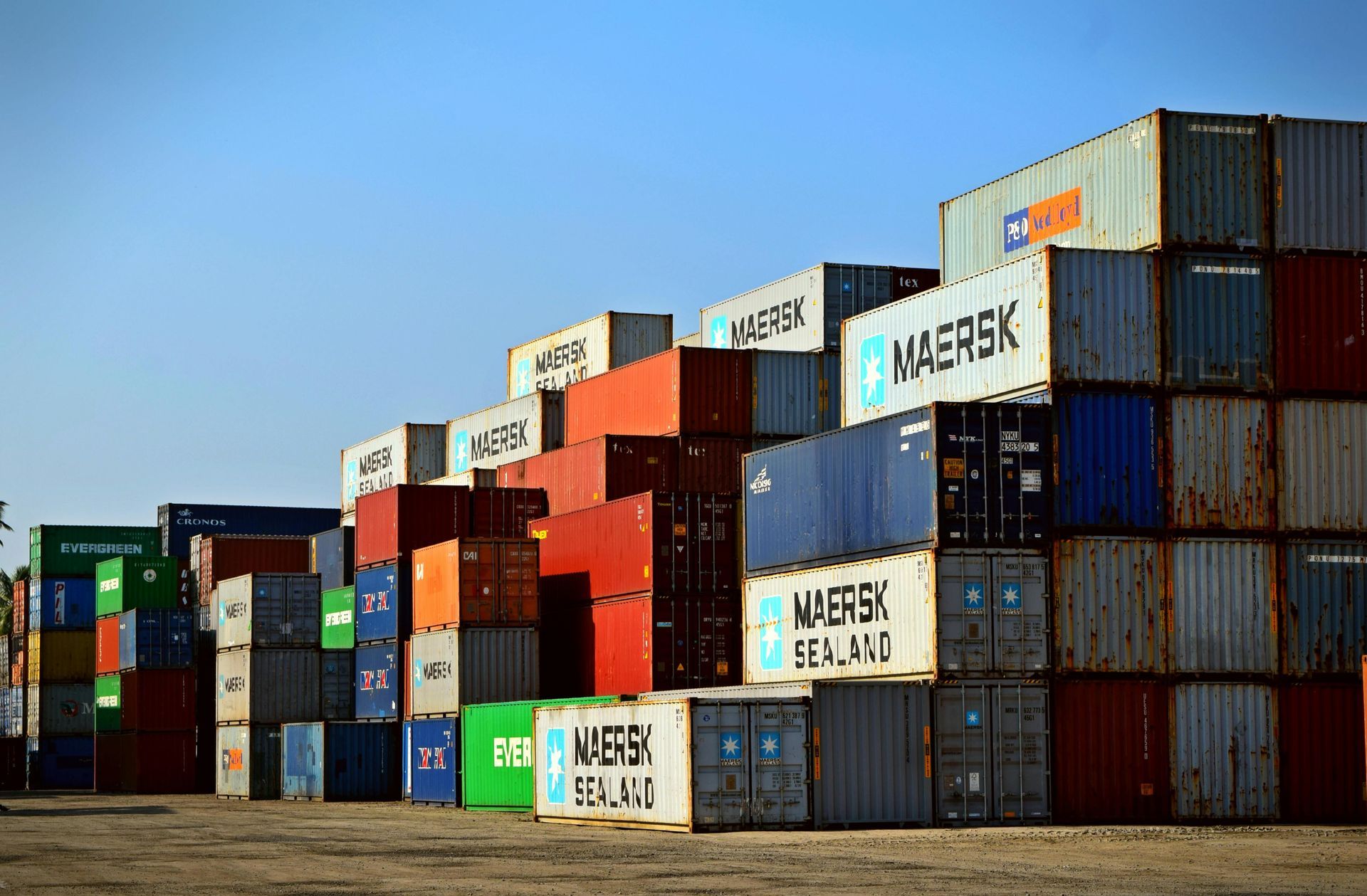
July was a standout month for Port Houston’s public terminals, with double-digit growth in key sectors that pushed year-to-date totals to new heights. Container volumes for July were up 21% compared to July 2024, reaching 392,829 twenty-foot equivalent units (TEUs). Year-to-date, Port Houston has handled 2,562,506 TEUs, up 6% and making this year the fastest...
The post Port Houston Records Double-Digit Gains in Standout July appeared first on Gateway Logistics Group.
Freight markets witnessed a relatively subdued response following last week’s dramatic trade announcements, contrasting sharply with earlier reactions to tariff developments. The current situation reveals a lack of urgency ahead of the August 7 tariff imposition deadline set by President Donald Trump. Previously, shippers hurriedly loaded goods between announcement periods to beat deadlines. This may...
The post Container rates unmoved by latest tariff deadline appeared first on Gateway Logistics Group.
President Trump signed a Reciprocal Tariff order Thursday night 7/31/2025 imposing new tariffs. The start date has been pushed back seven days, allowing US Customs time to update the new tariff schedule. MEXICO: President Trump agreed to a 90-day continuation on the Mexico Tariff Holding at the 25% tariff rate. (Potential increase after 90 days...
The post Further Modifying the Reciprocal Tariff Rates appeared first on Gateway Logistics Group.

Canada and the US have been locked in a tariff war for six months and, despite talk of “intense” negotiations in recent weeks, a trade agreement remains elusive. Canada is now facing a 35% tariff rate, though there is a carve out for goods compliant under a current free trade deal. American global tariffs on...
The post A self-imposed deadline for a new US-Canada trade deal came and went on Friday Aug. 1 appeared first on Gateway Logistics Group.
When shipping metal goods across countries or continents, corrosion is one of the most critical threats to product quality. Even small amounts of rust can render components unusable or unsafe. VCI coating, or vapor corrosion inhibitor coating, is an advanced solution for logistics services that protects metal surfaces during transport and storage. It’s become a...
The post What Is VCI Coating and Why Does It Matter for Metal Exports appeared first on Gateway Logistics Group.

When the US introduced sweeping new tariffs on Chinese imports, the goal was to protect American manufacturing. The initial response from the ultra-fast fashion industry was to relocate production to countries such as Vietnam and Cambodia. The hidden costs of cheap clothes: Consumers now benefit from faster delivery of even cheaper goods as Chinese owned...
The post How America’s trade war is supercharging the fast fashion industry appeared first on Gateway Logistics Group.
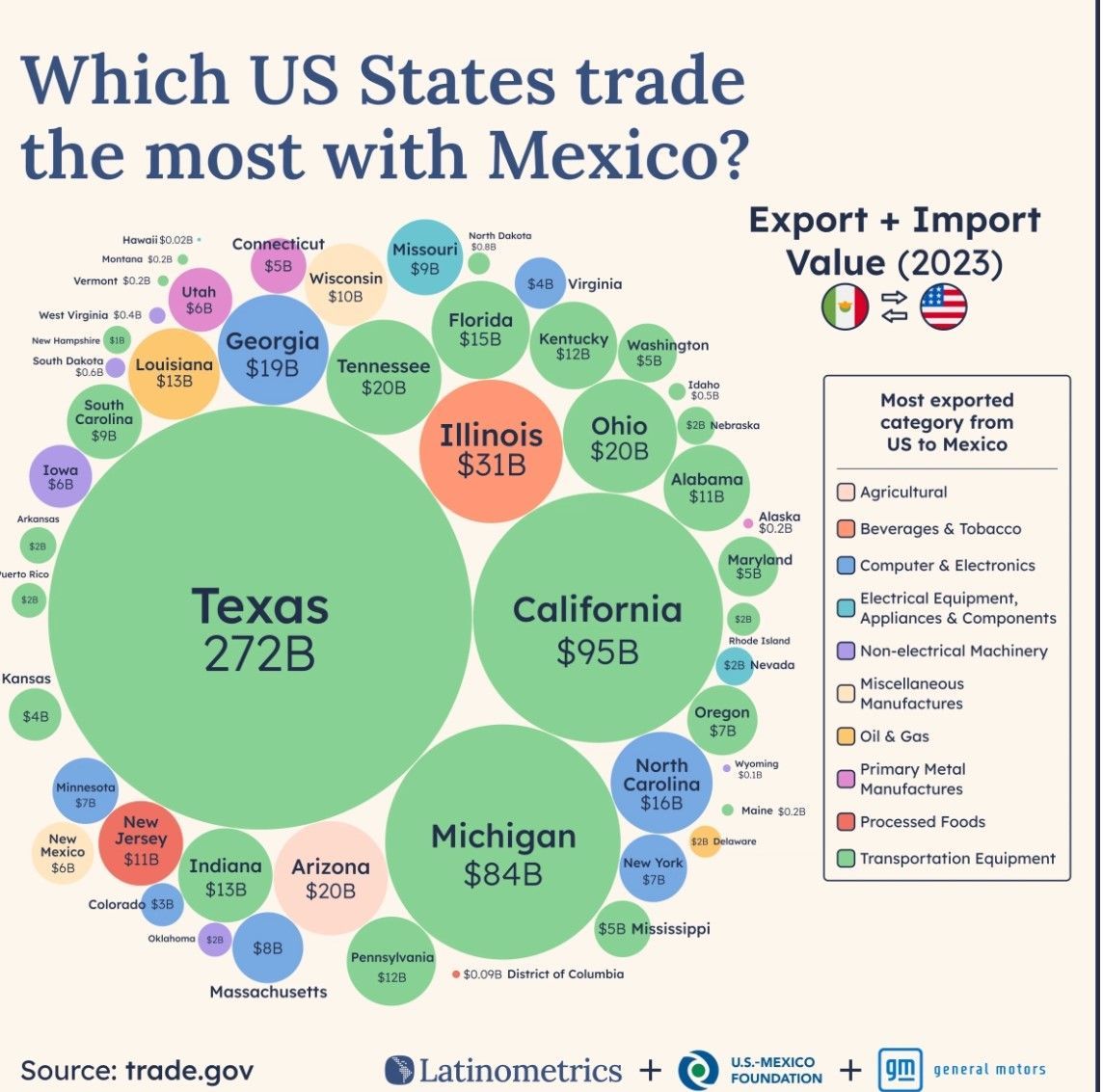
Mexico was the top U.S. trade partner in March at $77.3B, a 13% year-over-year increase and its highest monthly total in six years. For the first three months of 2025, trade between the U.S. and Mexico totaled $215B, an 8% year-over-year increase. Canada ranked No. 2 for trade with the U.S. at $67.5B in March,...
The post US Trade with Mexico surges to $77B in March appeared first on Gateway Logistics Group.

China, US Slash Trade Tariffs in 90-Day Deal China and the U.S. have agreed to pause their reciprocal tariffs for 90 days, with both sides bringing their rates down by 115 percent according to U.S. Treasury Secretary Scott Bessent. This takes the tariffs imposed on Chinese goods by President Donald Trump down to 30 percent,...
The post US, China Reach Deal to Slash Tariffs by 115% appeared first on Gateway Logistics Group.